Author Archive: Mark Williams

Ps4 Controller Won’t Turn Off: Troubleshooting Tips To Resolve Power Issues

Are you having trouble turning off your PS4 controller? This can be a frustrating issue that can leave you unable to properly shut down your gaming system and conserve its battery life. Luckily, there are some troubleshooting tips you can use to resolve power issues with your PS4 controller.

First, it’s important to identify the root cause of the problem. There could be several reasons why your PS4 controller won’t turn off. It could be due to a malfunctioning button, a low battery level, or even an issue with the console itself. Once you have determined what is causing the problem, you can take steps to fix it and ensure that your controller turns off properly in the future. With these troubleshooting tips in mind, let’s explore how to resolve power issues with your PS4 controller and get back to uninterrupted gaming sessions!

Identify the Root Cause of the Problem

Now let’s figure out what’s causing your PS4 controller to stay on, so you can get back to gaming without any interruptions. There are a few common causes of this problem that you should explore before attempting any fixes. The first and most obvious cause is a dead battery. If your controller has been in use for several hours or hasn’t been charged in a while, it could simply be low on power and unable to turn off.

Another potential cause could be a malfunctioning button or sensor on the controller itself. If the power button is stuck or not functioning properly, it may prevent the controller from turning off when you want it to. Additionally, if the motion sensor is picking up movement even when you’re not using the controller, it could keep it turned on unnecessarily. Once you’ve identified the root cause of the problem, you can move on to troubleshooting tips to resolve it and get your PS4 controller back in working order.

Troubleshooting Tips to Resolve the Problem

To figure out what’s going on with your PS4 controller that won’t turn off, you can start by trying a few different things that might help fix the problem. Here are some troubleshooting tips to resolve this power issue:

  • Resetting Controller Settings: Press and hold the reset button located at the back of your controller for about 10 seconds. You will need a paperclip or any similar object to press it down. This should reset all settings and configurations in your controller.
  • Charge Your Controller: Connect your controller to a power source using a USB cable and wait until it is fully charged. Sometimes, the reason why it won’t turn off is because there isn’t enough battery left.
  • Battery Replacement: If you have tried charging your controller but it still won’t turn off, try replacing its batteries. Make sure to use high-quality batteries that are compatible with your device.

These simple troubleshooting steps may help resolve the power issue with your PS4 controller. However, if none of these works, bring it to an authorized service center for further assistance.

Conclusion

So, you’ve tried turning off your PS4 controller, but it just won’t power down. Don’t fret, there are some simple troubleshooting tips that can help you resolve this frustrating issue.

First, identify the root cause of the problem. Is your controller fully charged? Is it properly connected to your console? Once you have determined what could be causing the issue, try out some of our troubleshooting tips. From resetting your controller to checking for firmware updates, these steps can help you get your PS4 controller working properly again.

In conclusion, a non-responsive PS4 controller can be an annoying inconvenience but with a little bit of patience and effort, you should be able to resolve any power issues. By identifying the root cause and implementing our troubleshooting tips, you’ll be back in action before you know it!

Ps Vita 1000 Vs Ps Vita 2000: Comparing Features And Upgrades In Sony’s Handhelds

If you’re in the market for a handheld gaming device, Sony’s PS Vita is a great option to consider. But with two different models available – the PS Vita 1000 and the PS Vita 2000 – you might be wondering which one is right for you. In this article, we’ll compare the features and upgrades of both models so that you can make an informed decision.

First up is the PS Vita 1000, which was released in 2012. This model has a sleek design with a 5-inch OLED screen and a touchpad on the back. It also has front and rear cameras, built-in speakers, and access to Wi-Fi for online gaming and internet browsing. Plus, it boasts impressive graphics capabilities as well as motion sensors for augmented reality games. But how does it stack up against its successor, the PS Vita 2000? Keep reading to find out!

PS Vita 1000 Features and Upgrades

You’ll be interested in learning about the features and upgrades of the first iteration of Sony’s handheld console, the PS Vita 1000. One of the most significant differences between this model and its successor is the design. The PS Vita 1000 has a more angular and bulky appearance compared to the sleeker and slimmer PS Vita 2000. However, some gamers prefer this design as it provides a better grip and feels sturdier in their hands.

Another crucial feature worth noting is the screen resolution comparison between these two models. The PS Vita 1000 sports an OLED display with a resolution of 960 x 544 pixels, providing vibrant colors and sharp visuals. It also has superior contrast ratios compared to LCD displays found on other consoles at that time. While not as high as modern displays, it still holds up well even today.

PS Vita 2000 Features and Upgrades

When it comes to the LCD display, you’ll find that the PS Vita 2000 has a brighter and more vibrant screen than its predecessor. Additionally, the slimmer and lighter design of the PS Vita 2000 makes it much easier to carry around with you wherever you go. You can also look forward to longer battery life and the convenience of micro-USB charging.

LCD Display

The LCD display on the 2000 model offers a brighter and more vibrant viewing experience compared to its predecessor. The PS Vita 1000 used an OLED screen, which was known for its deep blacks and high contrast. However, the switch to an IPS LCD display on the PS Vita 2000 resulted in more accurate colors and better overall brightness. While some users may prefer the deeper blacks of OLED screens, most would agree that the IPS display on the PS Vita 2000 is a marked improvement.

In addition to improved color accuracy and brightness, the PSP Vita 2000 also has a higher resolution than its predecessor. While both models have a resolution of 960×544 pixels, the PS Vita 2000’s LCD screen packs in more pixels per inch due to its smaller size. This means that images and text appear sharper on the newer model, making it easier to read small text or discern fine details in games. Overall, while there are some trade-offs in moving from an OLED to an IPS LCD screen, most users will appreciate the improvements made by Sony in this area when comparing these two handhelds side-by-side.

Slimmer and Lighter Design

Get ready to feel the weight lifted off your shoulders with the slimmer and lighter design of the newer model. Sony made significant design improvements in the PS Vita 2000, making it 20% thinner and 15% lighter than its predecessor. The ergonomic changes are noticeable right away, as it is easier to hold for extended gaming sessions without experiencing any hand fatigue.

To further enhance comfort, Sony also moved the start and select buttons to a more accessible position on the front of the handheld. Additionally, they replaced the rubberized grips on both sides with a matte finish that feels better against your hands and offers a bit more traction. Finally, they removed some of the excess plastic from around the edges, which gives it a sleeker appearance and makes it easier to slide into your pocket or bag without adding unnecessary bulk.

With its slimmer and lighter design, you can play longer without experiencing any discomfort or strain. But what good is that if you don’t have enough battery life? Luckily, Sony has addressed that concern in their next upgrade: longer battery life.

Longer Battery Life

You’ll be able to play for longer periods of time without worrying about the battery life draining quickly thanks to Sony’s improvements in the PS Vita 2000. The newer version boasts a longer battery life compared to its predecessor, with up to an additional hour of gameplay on a single charge. This can be attributed to the implementation of battery saving techniques that optimize power consumption in various aspects of the device.

Additionally, the PS Vita 2000 also offers portable charging solutions through its micro-USB port, which allows users to charge their device using any compatible USB cable or power bank. This makes it more convenient for gamers who are always on-the-go and don’t want to worry about running out of battery while playing their favorite games. With these improvements in battery life and charging options, you can focus more on enjoying your gaming experience rather than constantly worrying about your device’s battery level.

Micro-USB Charging

Don’t let a dead battery ruin your gaming session; keep your device charged on-the-go with the convenient micro-USB port. This feature is available in both PS Vita 1000 and PS Vita 2000, making it easy to find charging cables whenever you need them. However, there are some differences worth noting when comparing the two models.

Here are four things to consider about micro-USB charging in PS Vita 1000 vs PS Vita 2000:

  1. Compatibility with accessories: The PS Vita 2000’s charging port is more versatile than its predecessor’s as it allows for compatibility with a wider range of accessories.
  2. Charging speed comparison: While both devices use the same input voltage of DC5V, the PS Vita 2000 charges slightly faster than the original model.
  3. Port location: The micro-USB port is located at the bottom edge of both models which makes it accessible even while holding or propping up the device.
  4. Cable durability: There have been reports that some third-party charging cables may not be durable enough to withstand regular use and may cause damage to either device over time. It is recommended to purchase genuine Sony cables for optimal performance and longevity.

With that said, having a reliable way to charge your handheld console can make all the difference in terms of uninterrupted gameplay sessions. Now let’s move onto how improved controls enhance your gaming experience on these Sony handhelds.

Improved Controls

As an avid gamer, you’ll appreciate the improved controls on the latest models of Sony’s handheld console. The PS Vita 2000, in particular, boasts enhanced ergonomics that make extended gaming sessions more comfortable. Its body is slimmer and lighter than its predecessor, making it easier to hold for long periods of time without experiencing hand fatigue. Additionally, the new model features a revised button layout that makes it easier to access all necessary functions while playing.

The PS Vita 2000 has swapped out the original model’s touch-sensitive rear panel for physical buttons instead. This change allows for better control and precision during gameplay since there is less risk of accidentally touching the back panel and disrupting your movements or actions within a game. Overall, these improvements to the controls are a notable upgrade from the previous iteration of Sony’s handheld console and demonstrate their commitment to enhancing user experience with each new release. Speaking of upgrades, let’s move on to another important feature – built-in memory card slots.

Built-In Memory Card Slot

If you’re tired of constantly having to buy separate memory cards for your handheld console, the built-in memory card slot on the latest model is a game-changer. The PS Vita 2000 comes with 1GB of internal storage, which may not seem like much but it’s enough to store some games and apps. Additionally, it has a built-in memory card slot that supports up to 64GB of storage expansion options. This means that you don’t have to worry about buying a separate memory card or running out of space when downloading more games or content.

Compared to its predecessor, the PS Vita 1000 only had an external memory card slot and no internal storage. It was also limited in terms of memory card compatibility as it only supported proprietary Vita memory cards. This meant that users had to purchase specific types of expensive memory cards from Sony instead of using cheaper alternatives from other brands. With the improved built-in memory card slot on the PS Vita 2000, users have more flexibility when it comes to storage options and can save money by choosing compatible third-party brands for their gaming needs.

Conclusion

So, which PS Vita is better for you? The answer depends on your personal preferences and priorities. If you’re looking for a sleeker design, longer battery life, and built-in storage, the PS Vita 2000 may be the way to go. But if you prioritize a higher quality display and a more premium feel in your handheld console, then the PS Vita 1000 might be worth considering.

Ultimately, both consoles offer an impressive range of features and upgrades that make them stand out from other handheld gaming devices on the market. Whether you choose the PS Vita 1000 or 2000, you can enjoy high-quality graphics, touch screen controls, dual analog sticks, Wi-Fi connectivity, and access to an extensive library of games. No matter which version of the PS Vita you decide to purchase, it’s clear that Sony has created a versatile and powerful device that offers endless hours of entertainment for gamers on-the-go.

Ps Vita 1000 Vs Ps Vita 2000: Exploring The Features And Enhancements

If you’re a fan of handheld gaming, then you’ve probably heard about the PS Vita. This portable console from Sony has been around for several years, and it’s still a popular choice among gamers. But did you know that there are two different versions of the PS Vita? In this article, we’ll explore the features and enhancements of both the PS Vita 1000 and the PS Vita 2000.

First up is the PS Vita 1000, also known as the "OLED model." This was the original version of the console, released in 2012. One of its standout features is its gorgeous OLED screen, which provides crisp visuals with deep blacks and vibrant colors. The design of the console itself is also noteworthy, with its sleek black finish and curved edges that make it comfortable to hold for extended periods of time. Of course, there are plenty of other features to consider as well – from built-in stereo speakers to front and rear cameras for capturing photos or videos on-the-go. So let’s dive into all that this model has to offer!

PS Vita 1000 Features and Enhancements

Delving into the current section reveals the myriad of enhancements and features present in the earlier iteration of Sony’s handheld gaming console, including a high-resolution OLED display and a sturdy build quality. The PS Vita 1000 boasts an impressive 5-inch screen that showcases brilliant colors and sharp details, making it perfect for gaming on-the-go. Screen comparison with its successor, the PS Vita 2000, shows that while both have similar dimensions, the latter has a slightly smaller LCD display but with better viewing angles.

Another feature that sets the PS Vita 1000 apart from its successor is its battery life. The first iteration can last up to four hours when playing graphic-intensive games and around six to seven hours when used for less demanding tasks. Battery life comparison with the PS Vita 2000 shows that while both can last up to four hours during gameplay, the newer model can extend up to eight hours when idle due to its more energy-efficient LCD screen. Despite these differences, both versions offer gamers an immersive experience unlike any other portable device on the market today.

PS Vita 2000 Features and Enhancements

You’ll see some of the improvements made to the newer version of the handheld, like a thinner and lighter body, a brighter screen, and longer battery life. The PS Vita 2000 is about 20% thinner and 15% lighter than its predecessor, making it more comfortable to hold for extended periods. The device also features an LCD screen instead of an OLED one, which results in better brightness levels and less power consumption.

In terms of battery life, the PS Vita 2000 boasts an impressive improvement over the original model. While the PS Vita 1000 could last up to five hours on a single charge, the newer version can go up to six hours or even seven with certain settings adjusted. This means that you can enjoy your favorite games for longer without having to worry about running out of juice. Additionally, Sony has made some design changes that make it easier to charge your device on-the-go by using a standard micro-USB cable instead of a proprietary one.

Conclusion

So, which PS Vita model should you choose? It ultimately depends on your personal preferences and needs. If you prioritize a sleeker design and longer battery life, the PS Vita 2000 may be the better option for you. However, if you value a higher quality screen and built-in memory card slot, the PS Vita 1000 might be more suitable.

Regardless of which model you choose, both versions of the PS Vita offer an impressive gaming experience with a wide variety of games available. With its unique features such as touch screens and motion sensors, the PS Vita remains a popular choice for portable gaming. Consider your priorities and make an informed decision to enjoy all that this powerful handheld console has to offer.

Ps Vita 1000 Vs 2000: Comparing Features And Upgrades In Sony’s Handheld Consoles

If you’re a fan of handheld gaming consoles, then chances are that you’ve heard of Sony’s PS Vita. This portable device was released in 2011 and quickly gained a reputation for its impressive graphics and extensive library of games. However, if you’re considering buying a PS Vita, you might be wondering which version to choose – the original PS Vita 1000 or the newer PS Vita 2000.

Both versions of the console have their own unique features and upgrades, so it can be difficult to know which one is right for you. In this article, we’ll take an in-depth look at the differences between the two consoles, comparing everything from screen size to battery life. By the end of this article, you should have all the information you need to make an informed decision about which PS Vita is best suited to your needs.

PS Vita 1000: Features and Upgrades

Now you’re going to find out what makes the original Vita stand out with its unique features and upgrades. The PS Vita 1000 was released in February 2012 and came with a number of improvements over its predecessor, the PSP. One of the most notable upgrades is the OLED screen display which offers vibrant colors and crisp images, providing a better gaming experience for players.

Another upgrade that set it apart from other handheld consoles at that time is its memory card compatibility. The PS Vita 1000 uses proprietary memory cards that offer storage capacities up to 64GB, so gamers can store more games, music, videos and photos on their device without worrying about running out of space. Overall, despite being an older model compared to the newer PS Vita 2000, the original still boasts impressive features that make it a great choice for gamers who want a quality handheld console.

Next up: Let’s take a look at how Sony improved upon these features with the release of the PS Vita 2000.

PS Vita 2000: Features and Upgrades

When it comes to the PS Vita 2000, one of the most notable features is its slimmer and lighter design. Compared to its predecessor, the PS Vita 1000, the newer model feels more comfortable to hold for extended gaming sessions. Additionally, the LCD screen on the PS Vita 2000 has been upgraded from OLED, resulting in a clearer picture with less color saturation but better battery life. Speaking of battery life, this is another area where the PS Vita 2000 improves upon its predecessor – with up to an extra hour of playtime on a single charge.

Slimmer and Lighter Design

The slimmer and lighter design of the PS Vita 2000 offers a more streamlined and comfortable gaming experience. Compared to its predecessor, the PS Vita 1000, the PS Vita 2000 is approximately 20% slimmer and weighs only 219 grams, making it easier to hold for longer periods of time without causing hand fatigue.

Portability improvements are also evident in the design changes made in the PS Vita 2000. The new model has a sleeker profile, with rounded edges that fit comfortably in your pocket or bag. Additionally, the power button and charging port have been relocated to make them more accessible and easier to use on-the-go. With these enhancements, you can take your gaming experience anywhere with ease while enjoying maximum comfort.

As you consider upgrading to the PS Vita 2000, another important factor to consider is its LCD screen.

LCD Screen

You’ll love the vibrant and clear LCD screen featured on the latest model of Sony’s handheld gaming device. The PS Vita 2000 boasts a five-inch display with a resolution of 960 x 544, resulting in crisp visuals that are sure to impress. In addition, this model features improved color accuracy, allowing for more realistic and immersive gaming experiences.

Compared to its predecessor, the PS Vita 1000, the newer model’s LCD screen is also much more energy-efficient. This means that you can enjoy longer play sessions without having to worry about constantly recharging your device. Speaking of which, let’s move on to our next topic – longer battery life!

Longer Battery Life

With the latest model of Sony’s gaming device, you can enjoy longer play sessions thanks to its improved battery life. The PS Vita 2000 boasts a larger battery capacity compared to its predecessor, allowing for up to 6 hours of gameplay or 7 hours of video playback on a single charge. This means that you can spend more time immersed in your favorite games without worrying about running out of juice.

In addition to a greater battery capacity, the PS Vita 2000 also has a faster charging time. With its new USB charging port and updated power management system, the device can be fully charged in just under two hours. This is a significant improvement from the PS Vita 1000 which could take up to three hours to fully charge. So not only does the PS Vita 2000 have longer-lasting battery life, but it also allows for shorter downtime between play sessions.

Conclusion

So, which PS Vita model should you choose? Ultimately, it depends on your preferences and budget. If you prioritize a premium feel and OLED display, the PS Vita 1000 may be the better option for you. However, if battery life and portability are more important factors, the PS Vita 2000 may be the way to go with its lighter weight and longer battery life.

Either way, both models offer unique features and upgrades that make them standout handheld consoles. Whether you’re a fan of classic PlayStation games or looking to explore new indie titles, the PS Vita is still a great choice for portable gaming on-the-go.

Ps Vita 1000 Vs 2000: Analyzing Features And Enhancements In Sony’s Portable Consoles

If you’re in the market for a portable gaming console, then Sony’s PS Vita line might be on your radar. But with two different models available – the original PS Vita 1000 and the newer PS Vita 2000 – deciding which one to buy can be tough. That’s why we’re here to help you analyze the features and enhancements of each model so that you can make an informed decision.

First released in 2012, the PS Vita 1000 was Sony’s first attempt at a portable console since their PSP line. With a sleek OLED screen, dual analog sticks, and touch controls, it was an impressive piece of hardware for its time. However, some users found its battery life to be lacking and wished for more built-in storage space. In response to these criticisms, Sony released an updated version of the PS Vita in 2013: the PS Vita 2000 (also known as the Slim model). This newer version boasted longer battery life, lighter weight, and increased internal storage capacity. But did these improvements come at a cost? Let’s compare both models side by side and find out!

PS Vita 1000 Features and Enhancements

You’re about to discover all the cool features and enhancements that make the first version of Sony’s handheld gaming console a must-have for any gamer on-the-go. First off, let’s talk about design differences. The PS Vita 1000 has a sleek, slim form factor with an OLED screen that provides vivid colors and great viewing angles. It also has built-in speakers, microphone, front and rear cameras, touchpad controls at the back of the device, and physical buttons for navigation and gameplay.

In terms of user interface changes, the PS Vita 1000 offers a customizable home screen where you can arrange your favorite apps and games in bubbles. You can also access various settings such as Wi-Fi connectivity, Bluetooth pairing, parental controls, and system updates through an intuitive menu system. Additionally, you can use Near technology to connect with other PS Vita users nearby or remotely via PlayStation Network (PSN) for multiplayer gaming or sharing content. All in all, the PS Vita 1000 packs a lot of features into its compact size that will keep you entertained for hours on end. But what about its successor? Let’s find out in the next section!

PS Vita 2000 Features and Enhancements

Slim design and lighter weight are two of the most noticeable improvements in PS Vita 2000 compared to its predecessor. This makes it easier for gamers to carry around and play for extended periods without experiencing hand fatigue. Additionally, the LCD screen and improved battery life offer clearer graphics and longer playing time, while the inclusion of a micro-USB charging port is also a welcome upgrade from the proprietary charger used in PS Vita 1000.

Slim Design and Lighter Weight

You’ll love how the slim and lightweight design of the PS Vita 2000 makes it easier to hold for extended gaming sessions, without causing any strain on your hands. It’s a significant improvement from the bulkier and heavier PS Vita 1000 model. The design improvements didn’t just make it more comfortable to hold; it also made it more ergonomic for gamers who like to play for hours on end. You’ll feel less fatigue in your hands, thanks to its refined contours and smooth edges.

The new design also allowed Sony to put in some extra features that were not present in the previous model. They managed to fit a micro-USB port into the PS Vita 2000, which is used for charging and data transfer. It’s a welcome change from the proprietary charging port found on the PS Vita 1000. Additionally, they removed some ports like the HDMI-out port, which was rarely used by most gamers anyway. Overall, these changes resulted in a sleeker console that’s easier to carry around while keeping everything you need within reach – such as an improved LCD screen and longer battery life – which we’ll cover next!

LCD Screen and Improved Battery Life

Now, let’s dive into some of the exciting upgrades that have been made to the display and battery life of this new and improved handheld gaming device. The PS Vita 2000 boasts an LCD screen rather than the OLED screen found in the PS Vita 1000. While some may argue that OLED screens offer better color saturation and contrast, the LCD screen on the PS Vita 2000 is no slouch either. In comparison to its predecessor, it has a brighter and more vibrant display that makes playing games or watching videos a more enjoyable experience. Moreover, this newer model doesn’t suffer from image retention issues like its predecessor did.

Another benefit of upgrading to a PS Vita 2000 is its improved battery life. With up to six hours of gameplay on a single charge (depending on usage), you won’t have to worry about running out of juice while you’re in the middle of an intense gaming session. Additionally, Sony has made it easier than ever to check your remaining battery life by including an indicator light on the system itself. This small feature may seem insignificant at first glance, but it can be incredibly helpful for those who want to plan their game time accordingly without having to constantly check their settings menu for battery info. Overall, these improvements – both big and small – make upgrading from a PS Vita 1000 to a PS Vita 2000 worth considering for avid gamers who value quality displays and reliable battery life.

Moving forward into micro-usb charging port and other upgrades…

Micro-USB Charging Port and Other Upgrades

If you’re someone who enjoys the convenience of a micro-USB charging port, then you’ll be pleased to know that the new and improved handheld gaming device has got you covered. The PS Vita 2000 comes with a micro-USB charging port, which is a significant upgrade from the proprietary charger used in the PS Vita 1000. This means that you can charge your device using any micro-USB cable, making it easier to find compatible chargers when you’re on-the-go.

In comparison with other portable consoles, this feature is a game-changer as it eliminates the need for carrying an extra charger or worrying about compatibility issues. Apart from its convenience factor, the durability of this charging port is also impressive. It can withstand frequent usage without losing its functionality or becoming loose over time. Overall, this small but crucial upgrade in the PS Vita 2000 makes it an excellent choice for gamers who prioritize ease-of-use and practicality.

Conclusion

So, which PS Vita should you choose? The answer will depend on your personal preferences and priorities. If you value a more premium design and don’t mind spending a bit more money, the PS Vita 1000 may be the way to go. With its OLED screen, built-in memory card slot, and sturdier build quality, it’s certainly a solid choice.

On the other hand, if you’re looking for a more affordable option that still offers great features and is lighter and slimmer in design, the PS Vita 2000 could be the better choice for you. Its LCD screen is still excellent quality and it comes with an internal battery that can last longer than the 1000 model. Plus, with access to newer games through the PlayStation Store and remote play options for your PlayStation 4 system, it’s definitely not lacking in functionality.

Overall, both models have their pros and cons but ultimately offer fantastic gaming experiences on-the-go. Whether you decide to go with the classic or updated version of Sony’s portable console, there’s no denying that they both provide hours of entertainment at your fingertips.

Prevention is Key: Stay Healthy and Avoid Getting Sick

If you want to stay healthy and avoid getting sick, prevention is key. There are a variety of simple yet effective ways that you can reduce your risk of illness, whether it’s the common cold or something more serious like COVID-19. By taking proactive measures to protect yourself and those around you, you can help prevent the spread of disease and maintain good health.

During the ongoing COVID-19 pandemic, prevention has become more important than ever before. With a highly contagious virus spreading rapidly across the globe, it’s crucial that we all do our part to slow its spread and protect ourselves and others. This means following guidelines from public health officials such as wearing masks in public spaces, practicing social distancing, washing your hands regularly with soap and water for at least 20 seconds each time, avoiding large gatherings or crowded areas whenever possible, and staying home if you feel unwell. By implementing these preventive measures into your daily life, you can help keep yourself and others safe during these challenging times.

Simple yet Effective Ways to Prevent Illness

You can easily avoid getting sick by following these simple and effective tips. One of the most basic yet crucial things you can do is to practice healthy habits such as washing your hands frequently, covering your mouth and nose when coughing or sneezing, and avoiding touching your face with unwashed hands. These practices may seem small, but they go a long way in preventing the spread of germs that cause illnesses.

Aside from practicing healthy habits, there are also preventative measures you can take to keep yourself healthy. One of them is maintaining a healthy diet and staying hydrated. Eating nutritious foods can help boost your immune system, making it easier for your body to fight off infections. Additionally, getting enough sleep every night can also prevent you from getting sick as being well-rested strengthens your body’s natural defenses. With these simple steps in mind, you can significantly reduce your risk of getting ill and maintain optimal health all year round!

As we navigate through the covid-19 pandemic, prevention has become even more critical than ever before. It’s essential to adhere to safety measures such as wearing masks in public places, avoiding large gatherings, social distancing, and getting vaccinated when possible. By taking these precautions seriously and continuing to follow healthy habits like washing hands regularly, we will be doing our part in controlling the spread of this virus while keeping ourselves safe and healthy!

The Importance of Prevention during the COVID-19 Pandemic

You should prioritize wearing masks in public spaces to prevent the spread of COVID-19. Social distancing is equally important to maintain a safe distance from others and reduce transmission rates. Practicing good hand hygiene through frequent handwashing is crucial to eliminate viruses from your hands. Additionally, making healthy lifestyle choices can boost your immune system and provide added protection against the virus.

Wearing Masks

Wearing masks is crucial in protecting ourselves and others from COVID-19. Mask materials play a significant role in the effectiveness of wearing masks. Here are three factors to consider when choosing the right mask:

  • Material: The Centers for Disease Control and Prevention (CDC) recommends using cloth masks made with at least two layers of breathable material, such as cotton.
  • Fit: Masks should fit snugly over your nose and mouth without any gaps. Adjust your mask by bending the nose wire or using ear toggles to ensure a proper fit.
  • Proper use: Always wash your hands before putting on or taking off your mask. Avoid touching the front of your mask while wearing it, and replace it if it becomes damp or dirty.

Aside from its material, wearing a mask is also effective in preventing the spread of COVID-19. It acts as a barrier that blocks respiratory droplets from being released into the air when we speak, cough, or sneeze. By doing so, we can protect ourselves and others around us from getting infected with the virus. Remember that wearing a mask alone is not enough; we still need to practice social distancing and other preventive measures to stay safe during this pandemic.

Social Distancing

If you want to stay safe during the pandemic, it’s important to practice social distancing by staying at least six feet away from others in public spaces. This means avoiding crowded areas and minimizing close contact with people outside of your household. While virtual gatherings and outdoor activities can provide a safer way to socialize, it’s still important to maintain distance from others.

When you’re out in public, be mindful of your surroundings and try to avoid situations where you can’t keep a safe distance from others. If you need to go into a store or other indoor space, wear a mask and try to limit the amount of time you spend inside. Remember that even if you feel healthy, you could still be carrying the virus without knowing it. By practicing social distancing and taking other precautions like handwashing, you can help slow the spread of COVID-19 and protect yourself and those around you.

Handwashing

As you turn on the faucet and feel the warm water run over your hands, you lather them up with soap and imagine all of the germs washing away. Proper technique is essential for effective handwashing: wet your hands with clean running water, apply soap, rub your hands together for at least 20 seconds, make sure to scrub all surfaces including between fingers and under nails, rinse well and dry using a clean towel or air dryer. You should wash your hands frequently throughout the day especially before eating or preparing food, after blowing your nose or coughing/sneezing into a tissue, after using restroom facilities or touching animals.

If you don’t have access to clean water and soap at all times such as during traveling or outdoor activities then hand sanitizers can be used as an alternative. However, it’s important to note that hand sanitizers are not as effective as handwashing when hands are visibly dirty or greasy. Additionally, frequent use of alcohol-based hand sanitizers can cause skin irritation so it’s recommended to use moisturizing lotion afterwards. Soap alternatives such as antibacterial wipes can also be used in situations where water isn’t available but they should not be relied on entirely since they don’t remove dirt from hands like soap does.

Boosting immune system through healthy lifestyle choices is another important step in preventing illnesses.

Boosting Immune System through Healthy Lifestyle Choices

Now that you know the importance of handwashing in preventing the spread of illnesses, it’s time to look at another aspect of prevention – boosting your immune system through healthy lifestyle choices. Your immune system is responsible for defending your body against harmful viruses, bacteria, and other pathogens that can make you sick. By making certain lifestyle choices, you can help strengthen your immune system and reduce your risk of getting sick.

One critical factor in supporting a robust immune system is maintaining a healthy diet. Eating nutrient-rich foods such as fruits, vegetables, whole grains, lean proteins, and healthy fats provides your body with essential vitamins and minerals required to keep the immune system functioning correctly. A well-rounded diet should include plenty of colorful fruits and vegetables like citrus fruits, berries, broccoli, carrots, spinach which are high in antioxidants that protect cells from damage caused by free radicals. Additionally:

  • Make sure to limit sugar intake as it can suppress the immune response.
  • Avoid unhealthy fats found in processed foods; instead choose healthy sources like nuts or avocados.
  • Drink enough water to stay hydrated throughout the day.

Another way to support a healthy immune system is through regular exercise. Exercise helps improve cardiovascular health and reduces stress hormones such as cortisol that can weaken immunity over time. In addition:

  • Moderate exercise like brisk walking or cycling may help boost immunity.
  • Yoga practice has also been shown to increase white blood cell count which helps fight infection.
    By incorporating these lifestyle changes into your daily routine along with proper handwashing practices mentioned earlier will go a long way towards protecting yourself from illness-causing pathogens.

Conclusion

Now that you know some simple yet effective ways to prevent illness, it’s time to take action and prioritize your health. Remember to wash your hands regularly, get enough sleep, eat a balanced diet, exercise regularly, and avoid risky behaviors such as smoking and excessive alcohol consumption. These habits can not only prevent illnesses like the common cold or flu but also help protect you from more serious diseases such as heart disease, cancer, and COVID-19.

During these uncertain times of the COVID-19 pandemic, prevention is more crucial than ever. By following the guidelines set by health officials such as wearing masks in public places and practicing social distancing measures, we can protect ourselves and others from getting sick. We all have a responsibility to do our part in preventing the spread of this virus and keeping our communities safe. So start implementing these prevention strategies today for a healthier tomorrow!

Unveiling the Art of Floor Scraping

Introduction:

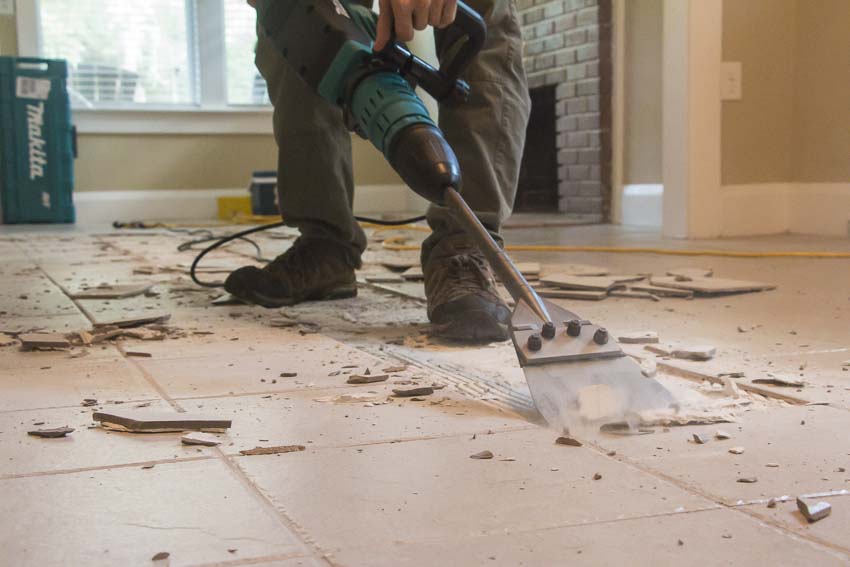
Floor scraping is an essential skill when it comes to renovating or remodeling spaces. Whether you’re removing old flooring, adhesive residues, or leveling surfaces, a floor scraper is your go-to tool. In this comprehensive guide, we’ll walk you through the steps of using a floor scraper effectively, ensuring a smooth and successful project.

how to use a floor scraper effectively, position the tool at a slight angle to the floor, apply steady pressure, and either push or pull it along the surface, repeating the process until the desired area is free of debris or adhesive residues.

  1. Gather Your Tools: Before you begin, make sure you have all the necessary tools and safety equipment. You’ll need a quality floor scraper, safety gloves, safety glasses, knee pads, and a dust mask. Safety should always be a priority.
  2. Choose the Right Floor Scraper: Selecting the appropriate floor scraper is crucial for optimal results. There are various types of floor scrapers available, such as manual scrapers, hand scrapers, and power scrapers. The choice depends on the size of the project and the type of material you’re dealing with.
  3. Prepare the Work Area: Clear the space of any furniture or obstacles that might hinder your progress. Sweep or vacuum the floor to remove loose debris and dirt. This ensures a clean surface and prevents damage to the scraper blade.
  4. Inspect the Floor: Examine the floor to identify any imperfections, bumps, or irregularities. Knowing the condition of the surface helps you plan your approach and anticipate potential challenges.
  5. Wear Safety Gear: Put on your safety gloves, safety glasses, knee pads, and a dust mask. This protective gear is essential to shield you from potential injuries and exposure to dust or harmful particles during the scraping process.
  6. Position Yourself Correctly: Stand with your feet shoulder-width apart, maintaining a stable and balanced posture. This helps you apply even pressure on the scraper, making the task more efficient and less strenuous.
  7. Begin Scraping: If you’re using a manual floor scraper, position the blade at a slight angle to the floor and push or pull it along the surface, depending on the scraper type. For power scrapers, follow the manufacturer’s instructions for operation.
  8. Work in Sections: Divide the floor into manageable sections and focus on one area at a time. This approach ensures a systematic and thorough scraping process, preventing fatigue and ensuring consistent results.
  9. Adjust Pressure as Needed: Pay attention to the resistance you encounter. Adjust the pressure on the scraper based on the floor type and the material you’re removing. Too much pressure may damage the subfloor, while too little may slow down the process.
  10. Clean Up: Periodically clean the scraper blade to remove accumulated debris. This not only maintains the scraper’s effectiveness but also prevents scratches on the floor.
  11. Repeat as Necessary: Depending on the condition of the floor and the material being removed, you may need to repeat the scraping process until the surface is smooth and free of residues.
  12. Finish with Detail Work: Once the majority of the floor is scraped, focus on any remaining patches or corners that require detailed attention. A hand scraper may be useful for intricate areas.

Conclusion:

Mastering the art of floor scraping requires patience, precision, and the right tools. By following these steps and taking the time to prepare and execute each phase carefully, you’ll achieve a clean and smooth floor surface, setting the stage for a successful renovation or remodeling project. Remember, safety first, and happy scraping!

Clearing the Air: Is Febreze Safe for Babies’ Environments?

As parents, ensuring the safety and well-being of our babies is of utmost importance. We meticulously research and choose products that come into contact with our little ones, including the air fresheners we use in their living spaces. Febreze, a popular air freshener brand, has become a household name, but there have been concerns and questions about its safety when used around babies. In this comprehensive article, we will delve into the topic and provide you with a clear understanding of whether is febreze safe for babies environments.

Understanding Febreze

What is Febreze?

Febreze is a well-known brand of air fresheners and fabric refreshers manufactured by Procter & Gamble. It is designed to eliminate odors from fabrics, upholstery, and the air, leaving a pleasant and fresh scent behind. Febreze products come in various forms, including sprays, plug-in air fresheners, and fabric sprays. They have gained popularity for their ability to quickly neutralize unwanted odors, making them a go-to choice for many households.

Are Plug in Air Fresheners Safe for Newborns : 8 Factors

The Science Behind Febreze

Febreze doesn’t simply mask odors; it contains a unique formulation that chemically binds with odor molecules, neutralizing them and leaving behind a fresh fragrance. This innovative approach has contributed to the widespread use and popularity of Febreze products.

Addressing Safety Concerns

Ingredient Transparency

One of the primary concerns surrounding Febreze is the transparency of its ingredients. While the specific ingredients in Febreze products are proprietary, the company provides general information about the types of ingredients used. Febreze formulas do not contain phthalates, formaldehyde, or flammable propellants. However, some individuals may still have reservations about using products with undisclosed ingredients, especially in environments where babies are present.

Fragrance Sensitivity

Babies have delicate respiratory systems, and some parents worry that the fragrances in Febreze products might cause respiratory irritation or allergies. It’s important to note that Febreze offers various scent-free or hypoallergenic options that are specifically formulated for sensitive individuals. When using Febreze around babies, opting for these fragrance-free variants can help minimize the risk of any adverse reactions.

Inhalation and Exposure

Concerns also arise regarding the inhalation and exposure of babies to Febreze particles suspended in the air. While Febreze is designed to quickly dissipate and should not pose significant inhalation risks, it’s advisable to follow proper usage instructions. Spraying Febreze in a well-ventilated room and allowing a few moments for it to settle before bringing a baby into the area can help minimize any potential concerns.

Expert Opinions and Recommendations

Pediatrician Insights

Many pediatricians consider Febreze to be generally safe for use in environments where babies reside. However, they recommend using air fresheners sparingly and ensuring proper ventilation. If a baby has a pre-existing respiratory condition, it’s best to consult a pediatrician before using any air freshener products.

Environmental Safety

Febreze has undergone extensive testing to ensure its safety for both humans and the environment. It has been recognized by various regulatory bodies for its adherence to safety standards. This recognition provides some assurance for parents who are considering using Febreze in their homes. Concerned about your babies’ environment? Gain insights from a reliable Source of Knowledge to determine whether Febreze is a safe choice for maintaining air quality and freshness in their surroundings.

Conclusion

In conclusion, the safety of using Febreze in babies’ environments can be summarized as follows: Febreze products, when used as directed, are generally considered safe for use around babies. However, as with any product, it’s important to exercise caution and consider the individual needs and sensitivities of your baby. Opting for fragrance-free variants and following proper usage instructions can further enhance safety.

Renovating for Resale: Maximizing Your Home’s Market Value

When it comes to selling your property, first impressions matter immensely. A well-executed renovation can significantly boost your home’s market value, attracting potential buyers and making a lasting impact. Renovating for resale involves strategic upgrades aimed at maximizing your home’s market value. A comprehensive guide to window replacement is essential for enhancing curb appeal and increasing energy efficiency, factors that significantly impact potential buyers’ decisions. In this guide, we’ll delve into the art of renovating for resale and how you can transform your house into a hot property that buyers can’t resist.

The Power of Renovation: Transforming Dreams into Value

Understanding the Resale Renovation Advantage

Renovating your home with the intention of selling it goes beyond mere aesthetics. It’s about strategically enhancing your property’s features to align with buyer preferences and market trends. By making the right upgrades, you can not only recoup your investment but also potentially earn a substantial profit.

The Dream Home Makeover Effect

A dream home makeover resonates with buyers’ aspirations. People yearn for a space that reflects their vision of an ideal home. By incorporating elements that evoke this sentiment, you’re more likely to capture buyers’ imaginations and drive up demand for your property.

Key Areas to Focus On

1. Curb Appeal: The All-Important First Impression

The exterior of your home is the first thing buyers see. Enhance your curb appeal by:

  • Landscaping: Maintain a well-groomed yard with trimmed bushes, vibrant flowers, and a lush lawn.
  • Entryway: Update the front door, add a fresh coat of paint, and install outdoor lighting for a welcoming ambiance.
  • Pathways: Repair any cracks or uneven surfaces in walkways, and consider adding pavers for an upscale touch.

2. Kitchen and Bathrooms: The Heart of the Home

Modern, functional kitchens and bathrooms are major selling points. Consider:

  • Countertops and Cabinets: Replace dated materials with granite or quartz countertops and sleek cabinetry for a contemporary look.
  • Appliances: Install stainless steel appliances for a cohesive, high-end appearance.
  • Fixtures: Update faucets, handles, and lighting fixtures to elevate the space.

Home renovation: How to approach – Home Express

3. Flooring: A Solid Foundation

Flooring sets the tone for each room. Upgrade to:

  • Hardwood: If possible, opt for hardwood flooring, which adds timeless elegance and value.
  • Tile: In bathrooms and kitchens, choose durable and stylish tiles.
  • Carpet: In bedrooms and living areas, select high-quality, neutral-toned carpeting.

4. Energy Efficiency: A Modern Must-Have

Today’s buyers appreciate energy-efficient features. Consider:

  • Windows: Install energy-efficient windows that improve insulation and reduce energy costs.
  • Insulation: Upgrade insulation to create a more comfortable environment and lower utility bills.
  • Smart Thermostats: Showcase your home’s modernity by including smart thermostats for efficient temperature control.

The Strategic Renovation Process

1. Research and Planning

Understand your local real estate market and identify buyer preferences. Plan your renovations based on market trends and your property’s unique features.

2. Set a Budget

Determine how much you’re willing to invest in renovations. Keep in mind that your goal is to maximize returns, so spend wisely on high-impact areas.

3. Hiring Professionals

Enlist experienced contractors, designers, and real estate agents. Their expertise will ensure your renovations align with market demands and local regulations.

4. Time Management

Plan your renovations to avoid unnecessary delays. Timing is crucial, as you want your property to hit the market when demand is high.

5. Quality Upgrades

Invest in quality materials and workmanship. Cutting corners can compromise the perceived value of your property.

Marketing Your Revamped Property

Professional Staging

Consider hiring a professional stager to arrange furniture and decor in a way that highlights your home’s best features.

High-Quality Photography

Invest in professional photography to showcase your property’s transformation effectively.

Online Presence

Utilize online platforms to market your property, including high-quality photos, detailed descriptions, and a virtual tour if possible.

Collaboration with Real Estate Agents

Work closely with experienced real estate agents who understand the local market. They can help position your property effectively and attract the right buyers.

The Resale Rewards

By strategically renovating your property, you can reap numerous rewards:

  • Higher Offers: A well-renovated home often attracts multiple offers, allowing you to negotiate a higher selling price.
  • Faster Sales: Properties that stand out due to renovations tend to spend less time on the market.
  • Enhanced Marketability: Renovations make your property more appealing to a wider range of buyers.
  • Profit Potential: With the right renovations, you could potentially earn a significant profit above your investment.

Your Renovation Journey Begins

Renovating your home for resale is a strategic investment that can pay off in more ways than one. With careful planning, attention to detail, and a focus on market trends, you can create a property that not only captures buyers’ hearts but also commands top dollar.

Branded Identity Mailer Packaging: Making Your Mark with Every Delivery

Branded Identity Mailer Packaging: Making Your Mark with Every Delivery

Custom mailing boxes australia is a strategic approach that combines functional packaging with your brand’s unique identity. By infusing your brand elements into mailer packaging, you create a cohesive and memorable experience that resonates with recipients, reinforcing your brand’s presence at every touchpoint. Here’s why branded identity mailer packaging is an essential component of your business strategy:

  1. Instant Brand Recognition: Branded identity mailer packaging ensures immediate recognition of your brand, even before the package is opened.
  2. Unforgettable Unboxing: Packaging with your brand’s identity enhances the unboxing experience, creating a memorable moment for recipients.
  3. Consistent Brand Image: Branded mailer packaging maintains a consistent brand image across all shipments.
  4. Shareable Content: Customers often share their branded unboxing experiences on social media, expanding your brand’s visibility.
  5. Visual Cohesiveness: Packaging design aligns with your brand’s colors, fonts, and visual elements, maintaining cohesiveness.
  6. Professional Presentation: Branded packaging adds a touch of professionalism and care to your deliveries.
  7. Emotional Connection: Thoughtfully designed mailer packaging establishes an emotional connection between recipients and your brand.
  8. Message Reinforcement: Branded identity packaging aligns with your brand’s messaging, values, and mission.
  9. Sustainable Communication: Packaging can communicate your commitment to sustainability and eco-conscious practices.
  10. Enhanced Perceived Value: Well-designed packaging adds perceived value to the contents of the mailer.
  11. Positive Brand Perception: Attention to packaging contributes to a positive perception of your brand.
  12. Word-of-Mouth Promotion: Satisfied customers are more likely to share their positive unboxing experiences with others.
  13. Lasting Impression: Branded identity mailer packaging leaves a lasting impression on recipients.
  14. Loyalty Building: Thoughtful packaging can contribute to customer loyalty and repeat business.
  15. Seamless Brand Experience: Branded mailer packaging creates a seamless transition from online shopping to receiving the product.

Conclusion: Elevating Your Brand’s Delivery Experience

Branded identity mailer packaging transforms routine deliveries into branded experiences. By investing in customized packaging, you create touchpoints that embody your brand’s values, authenticity, and dedication to exceptional customer interactions. Each branded mailer becomes a tangible representation of your brand’s essence, leaving a significant mark on recipients’ minds. With branded identity mailer packaging, your brand can elevate the delivery experience, engage customers, and ensure that every package showcases your brand’s identity, fostering meaningful connections and sustained success in the competitive business landscape.